
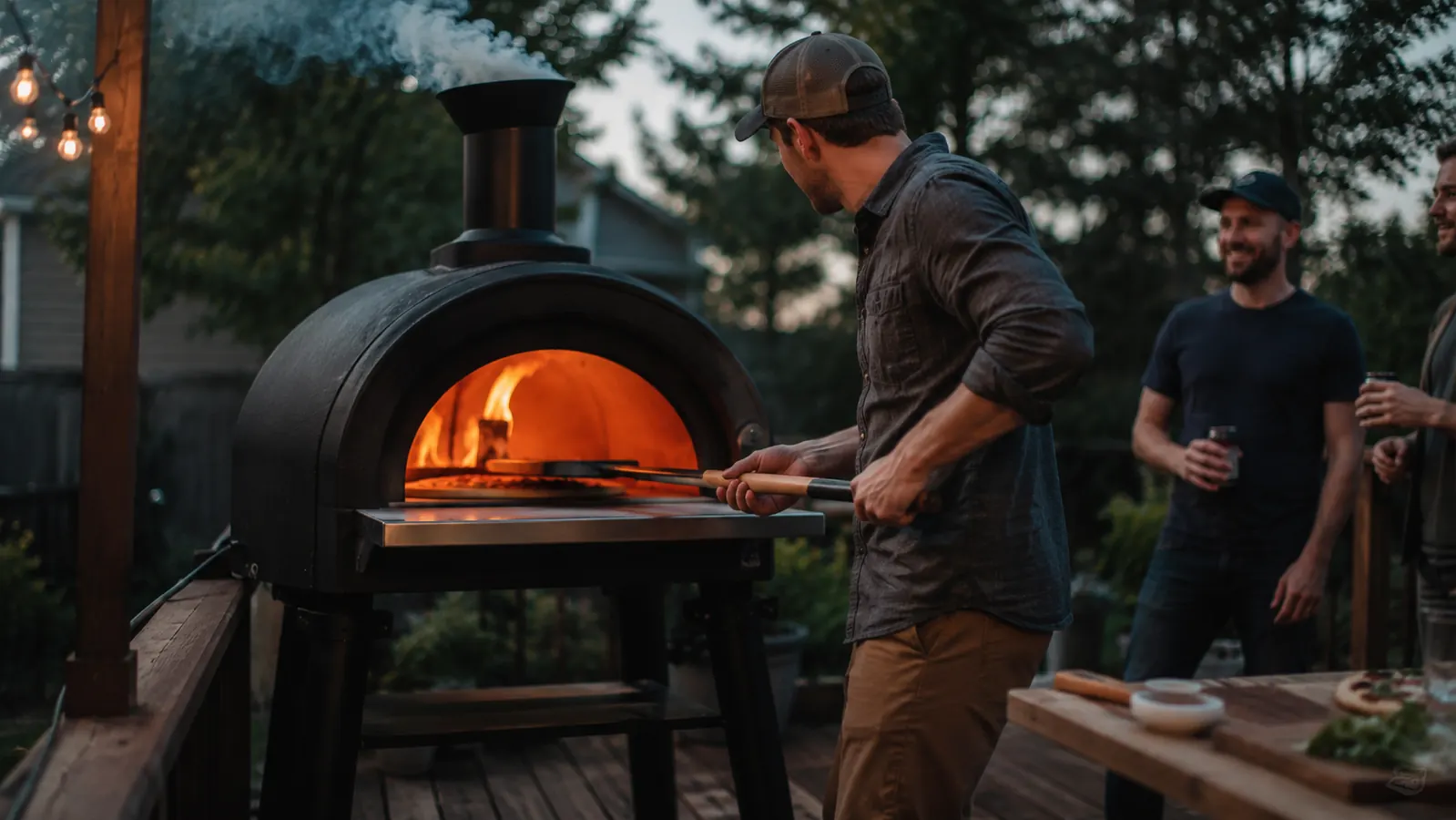
I set the BIG HORN pizza oven on the side table of my 22-inch charcoal kettle back in February, mostly out of curiosity and a little bit of stubbornness. Eleven seasons of backyard cooking on this deck, and I had never once made a pizza that came off my regular grill without a soggy middle or a bottom that looked like a briquette. Six months later, the BIG HORN has cooked more pizzas than I can count, plus a handful of things it was never built for, and I have a clear read on where it earns its keep and where it does not.
This is not a first-impressions writeup. I bought this oven with my own money, no one sent it to me for a review, and everything below comes from cooking with it on a 12 by 14 back deck through a Pennsylvania spring, summer, and the start of a cold fall. If you want the head to head against the Ooni Koda, I put that together separately, here. This piece is just the long haul.
The Quick Verdict
A genuinely fast, genuinely portable pizza oven that earns its keep for backyard Sunday nights. The learning curve is real for the first four or five pies, and the included stone needs babying in cold weather, but nothing about it has felt cheap after six months of near-weekly use.
Amazon Check Today's Price →Six months in, this is still the first thing I light on a Sunday.
If you have been putting off an outdoor pizza oven because you assumed it would sit in the shed after the novelty wore off, the BIG HORN is the one that changed my mind. Current price on Amazon, with free shipping for Prime members.
Amazon Check Today's Price on Amazon →How I've Used It
My setup is simple. The BIG HORN sits on a metal side table about four feet from my 22-inch kettle, close enough that I can tend both at once when I am running a full Sunday spread for six to eight people. I have run it on wood pellets most weeks, switched to the gas burner attachment for a few weeknight pies when I did not want to deal with ash cleanup, and tried the electric heating element exactly twice, once in December when the deck thermometer read into the teens and I wanted to know if the thing would even light in the cold.
It did light. That surprised me more than it should have. A lot of portable pizza gear I have owned over eleven seasons gets flaky below freezing, valves stick, igniters skip, stone takes forever to catch up. The BIG HORN's electric coil took about twenty-five minutes to get the stone to a usable temperature that night, slower than wood or gas, but it worked, and that is more than I can say for a cheap propane torch attachment I tried two winters back.
Across six months I would estimate I have fired this oven close to forty times. Some of that was pizza, some was flatbread, a couple of times I roasted vegetables in it just to see how it handled indirect residual heat after the flame died down. It has become part of the regular rotation on this deck the same way my small offset smoker is, which is not something I expected to say about a product priced this reasonably.
Getting It Up to Temperature, Three Ways
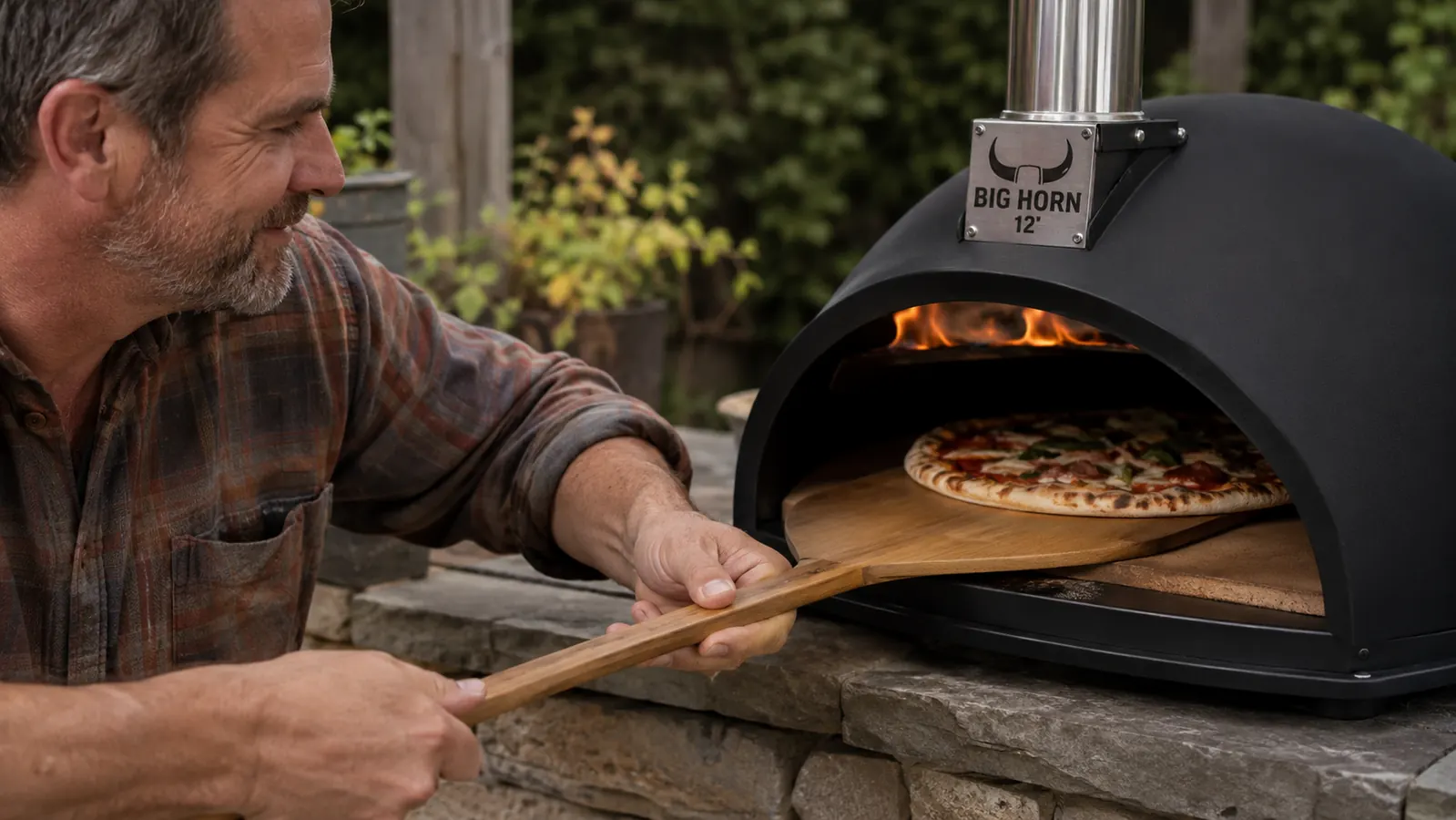
The whole pitch of the BIG HORN is the 3-in-1 fuel setup, wood pellets, a gas burner attachment sold separately by the same brand, and an electric coil for the days you just want heat without smoke or a propane tank. I tested all three, and they are genuinely different cooking experiences, not just marketing language.
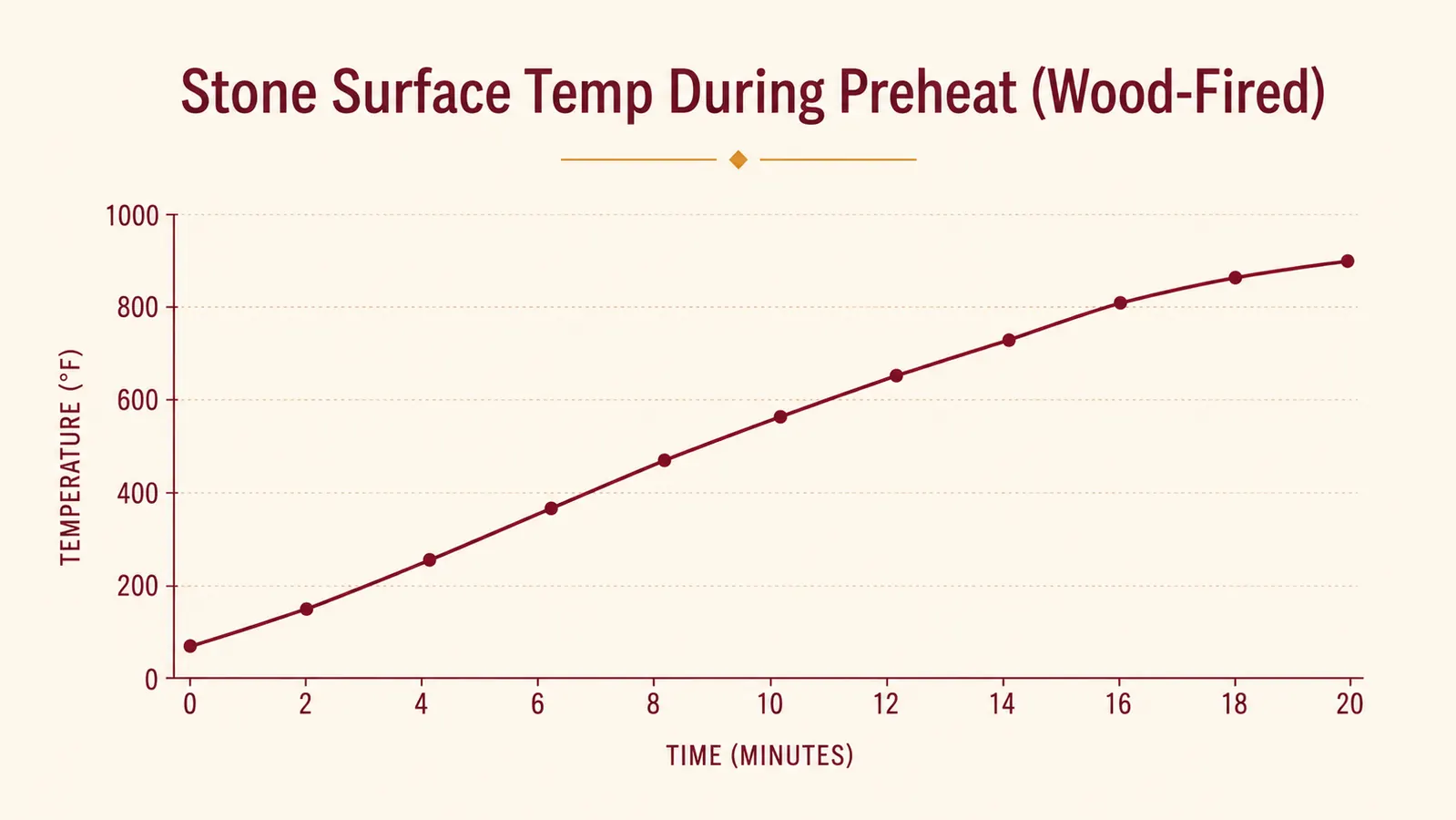
Wood is the one I reach for most. Loaded with hardwood pellets, the stone gets to a usable 700 to 750°F in about fifteen minutes on a calm evening, and the manufacturer's spec claims up to 1110°F at the dome if you keep feeding it, though I have never needed to push it that far for a Neapolitan-style pie. At 750°F a 12-inch dough round cooks in roughly ninety seconds if I am rotating it every twenty seconds or so with the small turning peel. That speed is the entire reason this style of oven exists, and the BIG HORN delivers on it honestly.
Gas is more convenient but a little slower to reach full heat in my experience, closer to twenty minutes to get the stone properly hot, and you lose some of the wood-fired char on the crust edges that makes the wood setup worth the extra fuss. Electric is the backup option, useful in weather where wood smoke would annoy the neighbors or when I just want one pizza without committing to a full pellet load. None of the three feel like an afterthought, which is not always true of multi-fuel claims on outdoor gear.
Six Months of Sunday Pizza Nights
The real test of any piece of backyard gear, for me, is whether it survives being used carelessly on a normal Sunday when I am also minding a kettle full of chicken thighs and talking to whoever showed up. The BIG HORN has held up to that kind of use without complaint. The stainless body shows some heat discoloration near the chimney after repeated hot fires, which is cosmetic and expected, and the door hinge on mine has loosened slightly, enough that I now prop it with a folded towel rather than trusting it to stay cracked on its own.
The pizza stone is the one component I would flag for anyone buying this. It is a genuine cordierite stone, not a cheap ceramic substitute, and it holds heat well, but it is also thinner than the stone in my kitchen oven and it does not love rapid temperature swings. I cracked a corner of mine in April by pulling it out too soon after a wood fire and setting it on a cold metal table to cool. That was my mistake, not a defect, but it is worth knowing going in. BIG HORN sells a replacement stone separately for a reasonable amount, and I have kept a spare on hand since.
By midsummer I had settled into a rhythm. Preheat for fifteen minutes while I stretch dough, load three or four pies back to back while the stone is at peak heat, then let the fire die down and use the residual heat for a flatbread or two. On a typical Sunday for six to eight people, that is roughly six pizzas cooked start to finish in under forty-five minutes, which used to take me over two hours on a regular grill with a stone insert.
What the Portability Actually Buys You
At around 22 pounds and with folding legs, the BIG HORN is genuinely something I can pick up with one hand and move. I have taken it to a tailgate twice and to a friend's lake house once, and both times it earned its keep by being the thing that made the trip feel like an event rather than just another cooler and folding chairs. That portability is a real selling point, not a checkbox feature, because most 12-inch stone ovens in this price range are either too heavy to bother moving or too flimsy to trust in a truck bed.
The tradeoff for that light weight is a thinner-gauge stainless shell than you would find on an oven costing two or three times as much. It is not flimsy, but it is not the heavy-gauge steel of something built to live outdoors uncovered year round either. I keep mine under a vinyl cover on the deck between uses and bring it into the garage before any real winter storm, and after six months and one Pennsylvania spring's worth of rain, there is no rust starting anywhere on the body.
What I Liked
- Reaches usable pizza-cooking heat in 15 minutes with wood pellets
- Genuinely portable at roughly 22 pounds with folding legs
- All three fuel options actually work, not just marketing claims
- Cordierite stone holds heat well once it is up to temperature
- Held up through a full Pennsylvania spring and summer with no rust
Where It Falls Short
- Stone is thin enough to crack if you cool it too fast
- Door hinge loosened slightly after roughly forty fires
- Electric mode is noticeably slower than wood or gas to preheat
- Gas burner attachment sold separately, adds to the real cost
- First four or five pies have a real learning curve on peel technique
It took me four burnt dough rounds and one flour explosion on the deck boards before I understood that this oven cooks in seconds, not minutes, and that changes everything about how you have to move.
Where I See It Falling Short
I want to be straight about the parts that did not impress me, because a six-month review that reads like an ad is not worth anyone's time. The included turning peel is undersized for anything bigger than a 10-inch pie, and I ended up buying a longer wooden peel separately just to keep my knuckles away from the flame. The window in the door fogs with grease over time and needs a wipe-down every few uses if you actually want to watch the dough rise and char. And the instructions that came in the box are thin on fuel-specific temperature guidance, most of what I know now came from trial, error, and comparing notes with a few readers who reached out after I wrote about it.
I also think the marketed 1110°F ceiling is more of a lab number than a backyard reality. In actual use, on a normal evening with normal wind conditions, I have topped out around 900 to 950°F with a full wood load, which is still plenty hot for a proper Neapolitan-style crust, but buyers expecting to casually hit eleven hundred degrees on a Tuesday night should adjust expectations.

Who This Is For
This oven makes the most sense for someone who already cooks outdoors regularly and wants pizza to become part of that rotation without buying an expensive stationary unit that lives permanently in one spot. If you host a weekly or biweekly cookout for a group in the six to eight person range, the way I do most Sundays, the BIG HORN gets you from raw dough to a table full of finished pies fast enough that it does not turn into the whole event. It is also a genuinely good fit if you tailgate or travel with your cooking gear, since the folding legs and light weight make it something you will actually bring along instead of leaving in the garage. For anyone weighing this against a more established brand, I laid out the full comparison in this side-by-side breakdown, and I go through ten more reasons an outdoor pizza oven earns its spot on a deck like mine in this piece.
Who Should Skip It
If you are cooking for two people most nights, or if pizza is a once-a-summer novelty rather than a habit, the learning curve and the extra gear (peels, a scale for dough, a spare stone) probably are not worth it for how often you would actually use this. Anyone expecting an appliance-grade experience straight out of the box, no burnt first attempts, no fussing with fuel, should also look elsewhere. And if a heavier, more permanent stone oven with a thicker shell matters more to you than being able to fold the legs and carry it to a tailgate, there are options built for that instead, at a real step up in weight and price.
Six months of Sunday pizza nights, and it still gets lit first.
This is the piece of gear on my deck that turned pizza from a once-a-summer novelty into a regular part of the rotation. Under two hundred dollars on Amazon right now, and worth checking current availability before it moves.
Amazon See the BIG HORN Pizza Oven on Amazon →