
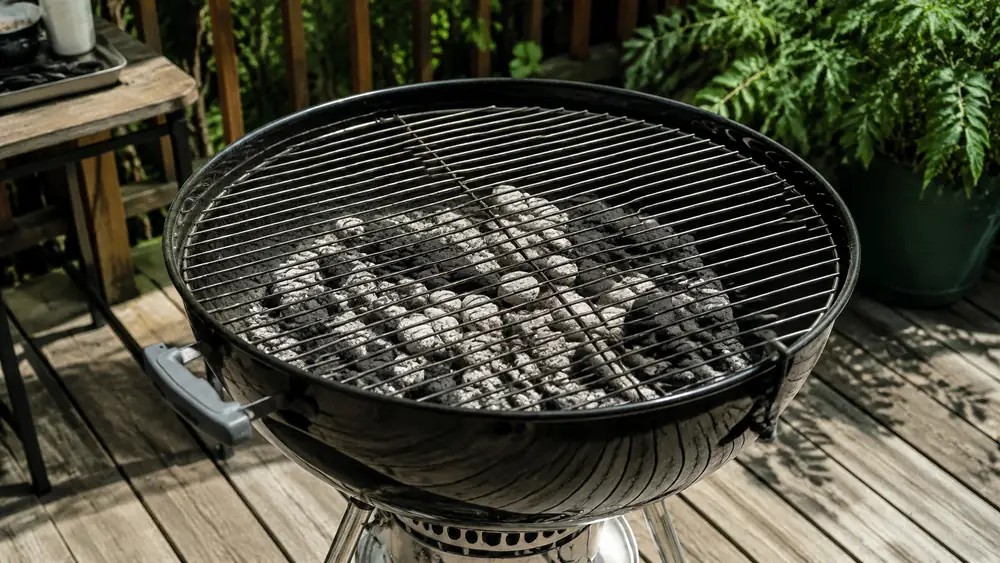
Before you toss a two-pack of Kingsford Original into your Amazon cart because everyone on this site, including me, keeps recommending it, here's what years of actually buying this exact charcoal has taught me, the parts that don't usually make it into a glowing review. I've cooked with Kingsford through eleven seasons on a 22-inch charcoal kettle, and it is not the flawless bag people make it sound like. It burns predictably, it's easy to find at any hardware store or grocery aisle, and I keep buying it. It has also let me down in specific, repeatable ways that are worth knowing before you commit a whole grilling season to it.
This isn't the long-haul diary version of this review, I already wrote that one here if you want the season-by-season breakdown of burn times and ash. This is the version where I lead with what annoyed me, concede what still works, and tell you plainly who should probably buy something else instead.
The Quick Verdict
A dependable, widely available briquette that does its job without drama, but it is not the cleanest burn, not the hottest option for a real sear, and not as cheap over a full season as the two-pack price suggests. A solid default. Not a miracle bag, and I'd rather you know that going in than find out mid-cookout.
Amazon Check Today's Price →Still worth buying, just not for the reasons the packaging leads with.
Kingsford Original earns its spot in my garage on reliability alone, not on being the best at any one thing. If a steady, predictable burn matters more to you than the hottest possible sear, check today's price on Amazon and see current stock before you decide either way.
Amazon Check Today's Price on Amazon →The Cooks I Judged It On, No Cherry-Picking
I didn't just run Kingsford through easy weeknight burgers and call it a review. Over the past year I used it for a Memorial Day cookout where I tried to sear ribeyes directly over a full chimney, an eleven-hour brisket that pushed the fuel further than most weekend cooks ever will, and a rainy September afternoon where I had to light a chimney under a tarp because I refused to move the whole cookout for six to eight people indoors. Those three cooks told me more about where Kingsford actually struggles than a dozen easy Sunday burger nights ever could.
I also ran it once specifically to be difficult about it, on a cold, gusty evening in early spring when the wind kept gusting hard enough to rattle the kettle lid. I wanted to see if a stiff crosswind would starve the coals or force me to babysit the vents constantly. It didn't starve the fire, but it did burn through fuel faster than a calm night would, and I ended up feeding the chimney about fifteen minutes earlier than I would have on a still evening. That's not a defect, wind affects any open fire, but it's the kind of detail that only shows up if you deliberately go looking for the worst-case conditions instead of testing on easy nights.
The brisket is the one that changed how I talk about this product. I built a minion-method setup, unlit briquettes packed into the kettle with a small pile of lit ones on top, expecting the same steady performance I'd gotten out of shorter cooks. Around hour six and a half, the temperature dipped into the low 200s before I caught it and added fuel, and the bark on that section of the brisket came out noticeably tougher than the rest. That wasn't user error I'm willing to fully own. Kingsford Original is rated and marketed for long, steady burns, and on a genuinely long cook it still needed babysitting sooner than I expected.
The rainy cook was less dramatic but just as telling. Damp air alone slowed the light by a few extra minutes, which is normal for any charcoal, but it also meant more of the briquettes near the bottom of the chimney stayed only partially lit, and I ended up with a patchier bed of coals than I'm used to. None of this makes Kingsford a bad product. It makes it an ordinary one that occasionally gets described like it isn't.
What's Actually Mixed Into the Bag
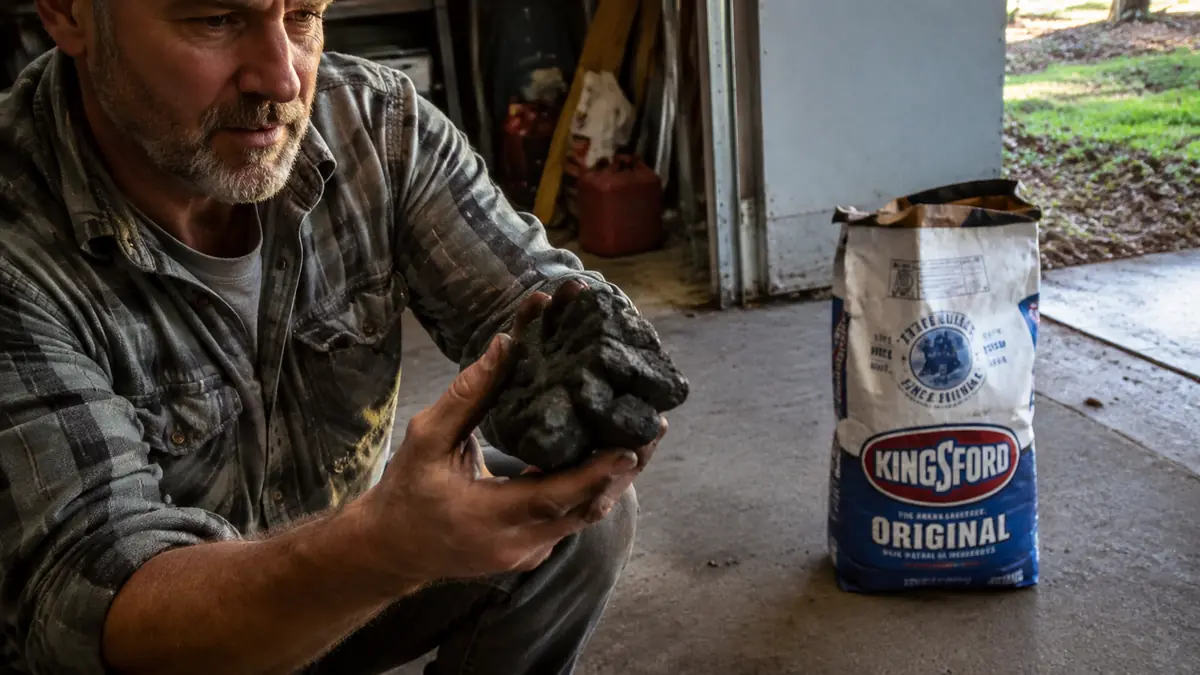
A lot of people assume Kingsford Original is just charred wood, since it doesn't carry the Match Light name or the lighter-fluid smell. It isn't. The pillow-shaped briquettes are pressed together with a starch binder, mineral char, a small amount of sodium nitrate to help them catch, and limestone that helps them hold their shape through shipping and handling. None of that is hidden, it's on the ingredient list if you go looking, but it's also not something the front of the bag advertises, and I think buyers deserve to know it before they assume Kingsford burns as clean as a pile of oak logs would.
In practice, that mix means the first few minutes off the chimney can carry a faintly chemical smell that fades once the briquettes are fully ashed over. I learned that the hard way years ago, long before this current stretch of testing, when I put chicken thighs on too early and picked up an off flavor I didn't enjoy. These days I wait the extra five minutes for a full gray-ash coat before anything touches the grate, and the smell and the flavor problem both disappear. Nobody told me that when I started. I'm telling you now, because it's the single easiest fix in this whole review and almost nobody mentions it.
Where the Sear Falls Short
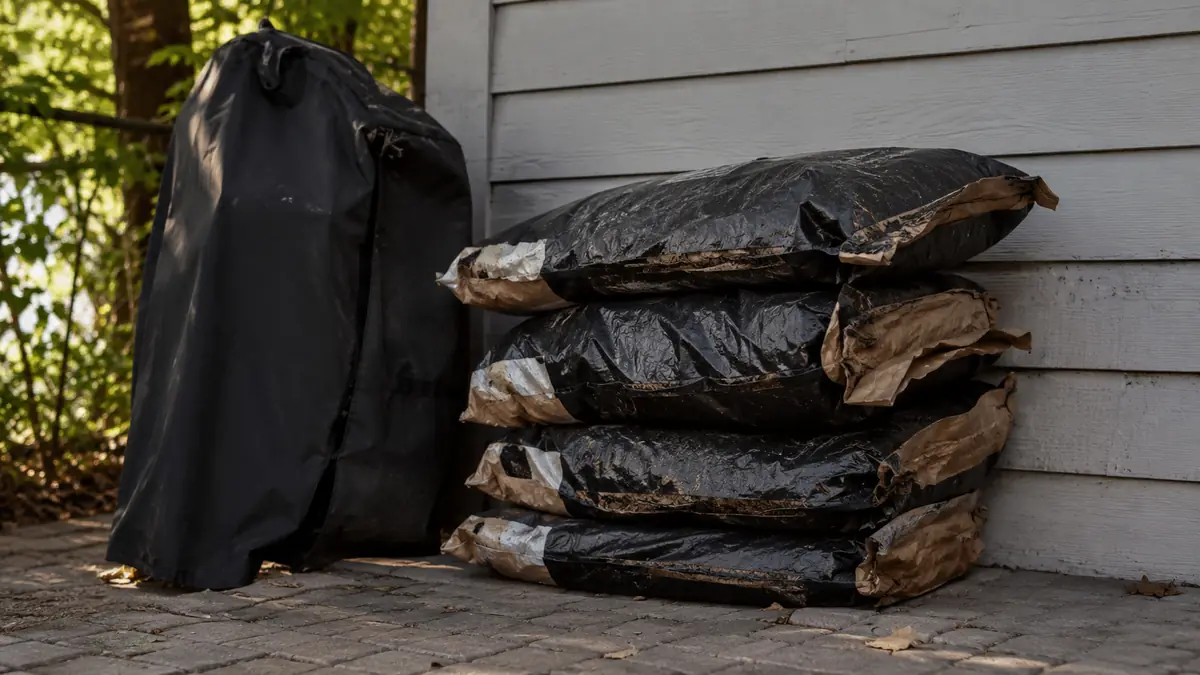
This is the complaint I hear most from people who try Kingsford after using lump charcoal, and my own testing backs it up. On that Memorial Day cookout, a full chimney of Kingsford dumped straight into the kettle topped out around 425 to 450 degrees at the grate, measured with the same probe thermometer I use for every cook. That's plenty hot for burgers, chicken, or vegetables, but it is not steakhouse-crust hot. A friend who joined that cookout brought his own ribeyes expecting the same char he gets on a lump-fueled grill at home, and what he got instead was a decent gray-brown crust with none of the deep mahogany char lump gives you in the first ninety seconds.
Lump charcoal, by comparison, has hit 550 degrees or higher at the grate in the same kettle under similar conditions, and that extra heat is the whole reason serious steak cooks reach for it over briquettes. Kingsford's binder and denser shape burn hot, but not explosively hot, which is exactly what makes it good for long, even cooks and exactly what makes it a letdown if searing is the main thing you're after.
If you mainly grill burgers, chicken, sausages, and vegetables, this limitation probably never crosses your mind. If steak night is the point of owning a grill, it's worth knowing that Kingsford Original was never built to be the hottest option on the shelf, and no amount of stacking extra briquettes into the chimney closes that gap by much. I've tried doubling the chimney load specifically to chase a hotter sear, and it bought me maybe twenty extra degrees at the cost of burning through nearly two chimneys' worth of fuel in a single cook, which is a poor trade by any measure.
The Bag Isn't Always the Same Bag
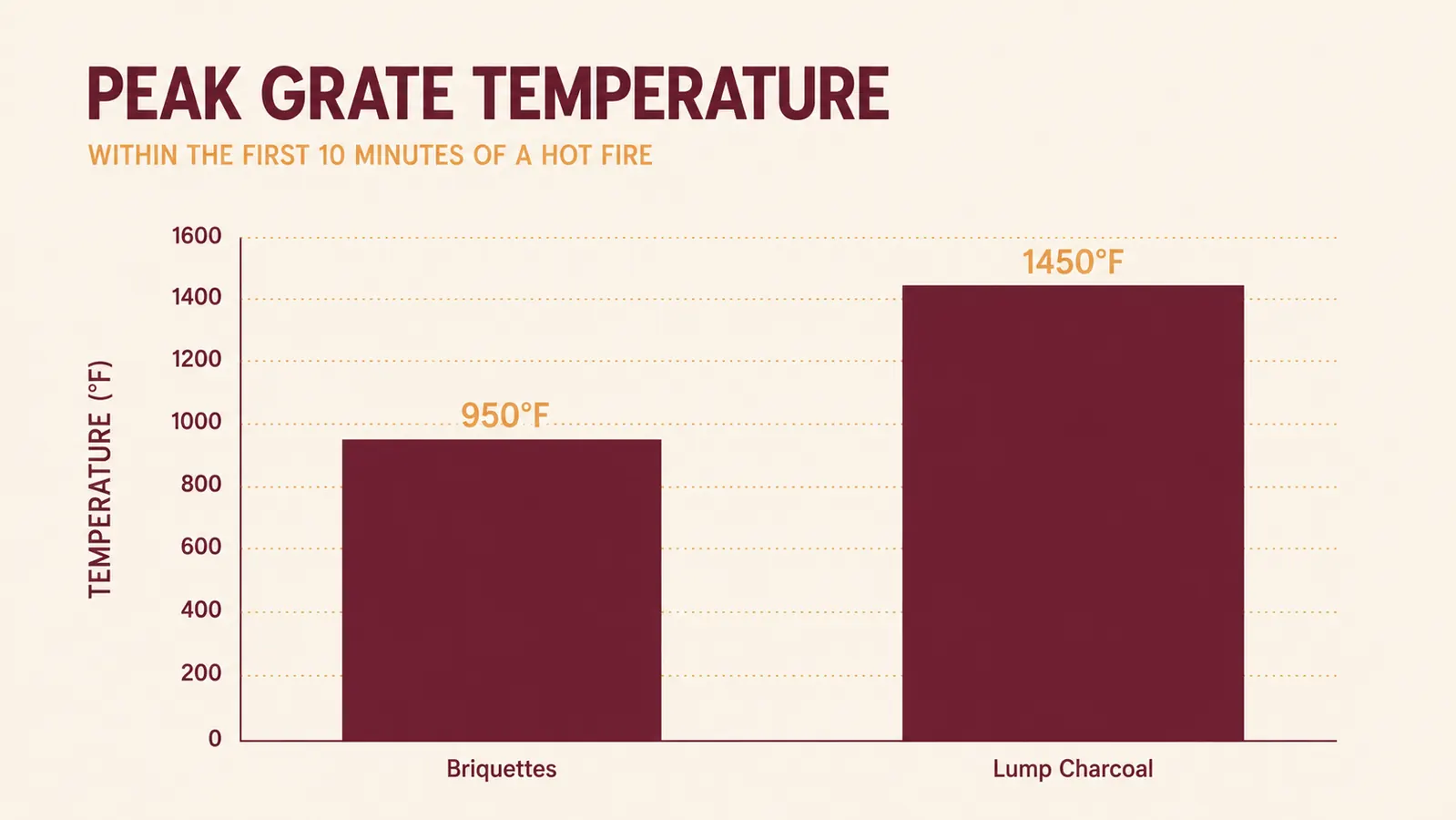
Here's something a single review copy rarely mentions: where you buy Kingsford matters. In August I picked up a single bag from a hardware store where the charcoal display sits outside, uncovered, against the building's exterior wall. When I got it home and opened it, roughly a third of that bag was fused into hard, damp clumps that took real effort to break apart by hand before they'd fit in the chimney. The briquettes that did light behaved normally once they caught, but getting them separated first was a genuine annoyance I didn't sign up for.
The Amazon two-pack, by contrast, has consistently arrived dry and loose in every bag I've opened, likely because it isn't sitting outside a store getting rained on between restocks. I'm not saying every local bag is a problem, plenty of stores keep their charcoal covered and dry, but if you've had a bad bag before and blamed Kingsford as a brand, it's worth considering that the storage conditions before you bought it may have been the real issue, not the briquettes themselves.
I also noticed size variation within the same shipment. One bag from the Amazon two-pack had a noticeably higher share of smaller, broken briquette pieces near the bottom than the other bag from the same order, which suggests some settling and breakage happens in transit no matter how carefully it's packed. It never hurt performance, but if you're the type who likes uniform, catalog-photo briquettes, know that real bags rarely look exactly like the picture, and that inconsistency alone has nothing to do with how the charcoal actually cooks once it's lit.
The Real Cost Once You Count Every Bag
The two-pack looks like a straightforward deal at a glance, current price on Amazon lands comfortably under forty dollars for two 12-pound bags, and that math feels generous the first time you do it. What that comparison leaves out is how fast a household actually burns through it once grilling becomes a weekly habit instead of an occasional one. Cooking for six to eight people most Sundays, plus a handful of weeknight cooks in between, I'm restocking roughly every three weeks during peak grilling season, which adds up faster over a full year than the per-bag price suggests.
None of that makes Kingsford expensive in any absolute sense, charcoal is still a minor line item compared to the meat you're cooking on it. But I think the marketing math, two bags, one low price, sounds cheaper in isolation than it actually plays out once you're the person restocking the garage shelf every few weeks. If you're budgeting for a full season rather than a single cookout, plan for more reorders than the sticker price implies, and keep an extra bag on the shelf so you're never scrambling on a Saturday morning with a cold grill and no fuel.
What I Liked
- Predictable, steady burn once fully ashed over, no surprises
- Widely available at hardware stores, grocery stores, and Amazon
- No lighter fluid needed with a chimney starter
- Performs consistently across seasons, cold weather just slows the light
- A trustworthy default when you don't want to think hard about fuel
Where It Falls Short
- Peak grate temperature falls well short of lump charcoal for real searing
- First few minutes off the chimney can carry a faint chemical smell
- Local store bags can arrive damp or fused depending on how they were stored
- Needed refueling sooner than expected on an eleven-hour cook
- Restocking frequency adds up faster over a season than the two-pack price implies
The bag never promised to be the hottest thing in my garage. My mistake was expecting it to be, and blaming the charcoal when it wasn't.
Who This Is For
Kingsford Original makes sense for anyone who wants one dependable bag of charcoal and doesn't want to think much harder about fuel than that. If most of what you cook is burgers, chicken, sausages, and vegetables for a group in the six to eight person range, and you'd rather have a predictable, steady fire than chase the hottest possible sear, this is a fair default. It's also a reasonable choice if you're new to charcoal grilling and want a fuel that behaves the same way every time while you're still learning vent control, and I go through ten reasons briquettes make sense over lump for exactly that kind of cook in this piece. It's the fuel I'd hand a first-time griller without hesitation.
Who Should Skip It
If steak night is the reason you own a grill, or you're chasing a deep, dark crust that only comes from a genuinely hot fire, look at lump charcoal instead, this product simply doesn't get hot enough to compete there. If you're buying single bags from a store that keeps its charcoal outside and uncovered, budget for the occasional clumped or damp bag and don't assume that's a defect in the product itself. And if you want the emotional version of why I still keep this bag in rotation despite all of the above, I wrote that up separately in how Kingsford briquettes changed my backyard cookouts, which reads a lot more forgiving than this piece does.
Know the tradeoffs, then decide for yourself.
This isn't a perfect bag of charcoal, but it's a fair one, and for most weekend cooking it still earns the spot in my garage. Check current stock and today's price on Amazon before your next cookout, and go in knowing exactly what you're getting.
Amazon See Kingsford Charcoal Briquettes on Amazon →